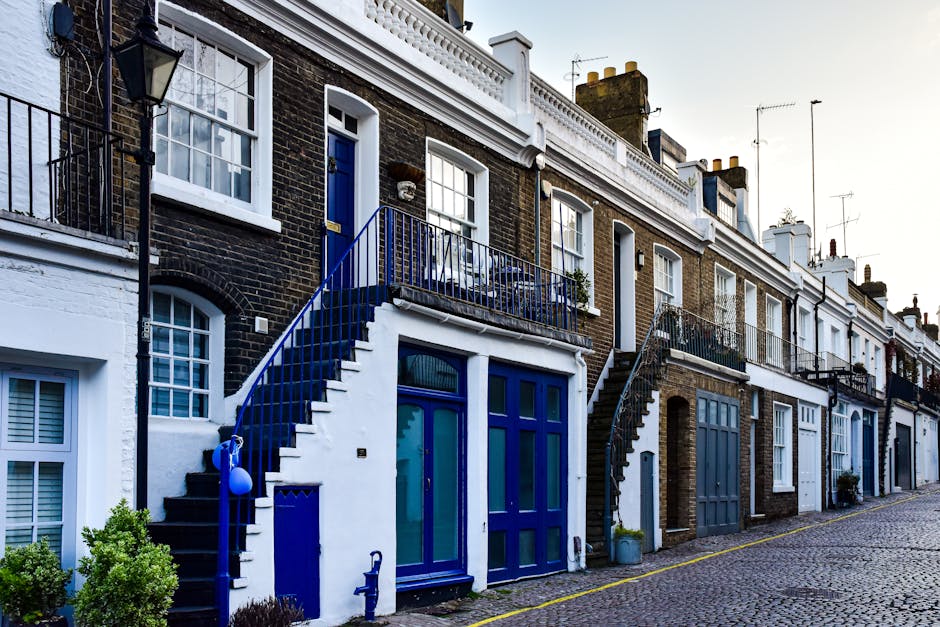
Ravenscourt Park estate removals tips for narrow access homes
If you are moving in or around Ravenscourt Park and your home has a tight hallway, awkward stairwell, or a front path that barely fits a sofa, you already know this is not a standard move. Ravenscourt Park estate removals tips for narrow access homes are all about planning the route, protecting the property, and choosing the right vehicle and loading method before the first box is lifted. A narrow entrance can turn a straightforward move into a fiddly one very quickly, so the small details matter. The good news? With the right preparation, the whole thing becomes much calmer than it first looks.
This guide walks through the practical side of moving from or into a narrow-access property: how to assess the space, what to pack differently, which mistakes cause delays, and when it makes sense to use a specialist team. We will also cover sensible local considerations, useful service options such as flat removals, and the kind of planning that saves time, money, and a fair bit of stress. Let's make it manageable.
Table of Contents
- Why Ravenscourt Park estate removals tips for narrow access homes Matters
- How Ravenscourt Park estate removals tips for narrow access homes Works
- Key Benefits and Practical Advantages
- Who This Is For and When It Makes Sense
- Step-by-Step Guidance
- Expert Tips for Better Results
- Common Mistakes to Avoid
- Tools, Resources and Recommendations
- Law, Compliance, Standards, or Best Practice
- Options, Methods, or Comparison Table
- Case Study or Real-World Example
- Practical Checklist
- Conclusion
- Frequently Asked Questions
Why Ravenscourt Park estate removals tips for narrow access homes Matters
Narrow access changes everything. A normal removal depends on being able to bring items out in a clean, straight line. But with estate homes, older conversions, basement flats, mansion blocks, side gates, shared stairs, or a lane that feels just a bit too tight, the route itself becomes part of the job. That means the move is not only about carrying furniture. It is about geometry, timing, protection, and coordination. Bit of a headache if you leave it too late.
In Ravenscourt Park, many properties sit within dense residential streets where parking is limited and access can be interrupted by neighbours, deliveries, or bins. A large van may not be able to park directly outside. A wardrobe might need to be turned on its side to clear a banister. A fridge might fit through the hallway only after the doors are removed. These are not rare problems; they are normal narrow-access issues. The move feels harder because the space is working against you at every turn.
Why does this matter so much? Because one missed measurement or one bulky item left unplanned can mean delays, extra lifting, or the need to temporarily store items elsewhere. If you are comparing service options, it can help to understand the difference between a full removals service, a lighter man with a van option, and specialist house removals. The right fit depends on the access, not just the amount of furniture.
Expert summary: The tighter the access, the more the move becomes a planning exercise rather than a carrying exercise. Measure first, strip items down where possible, and make the route as simple as you can.
How Ravenscourt Park estate removals tips for narrow access homes Works
At its core, a narrow-access move works by reducing friction. Every stage should remove one more obstacle before moving day arrives. That means checking dimensions, deciding what can be dismantled, agreeing where the vehicle can stop, and preparing the home so the team can move safely and quickly. You want a clean flow from room to van. No wandering about with a sofa halfway through a stairwell, hoping it will somehow behave.
The process usually begins with an access assessment. This can be done by the homeowner, the removals team, or both. You look at the width of doors, the sharpness of corners, the steepness of stairs, whether there is a lift, and how far the carry is from the property to the vehicle. If the entrance is especially tight, a smaller vehicle or more flexible loading approach may be needed. In some cases, using a service like removal van or man and van is more practical than bringing in a larger truck.
Then comes item planning. The biggest pieces are the first things to check because they set the tone for the whole move. Sofas, beds, mattresses, wardrobes, dining tables, mirrors, and pianos can all become bottlenecks. A good team will decide whether to wrap, dismantle, carry, tilt, or stage these items before moving them out. In homes with awkward access, the order of movement matters too. Sometimes it is easier to move the most delicate pieces first, while the route is still clear and everyone is fresh.
Finally, there is the practical flow on the day itself. Floors should be protected. Corners should be padded. Boxes should be labelled in a way that makes sense when you are standing in a corridor with several doors and half the property already empty. It sounds obvious, but under pressure people forget small things. Truth be told, the small things are usually the big things.
Key Benefits and Practical Advantages
Good planning for narrow-access removals is not just about avoiding damage. It brings a whole set of practical benefits that make the move less exhausting and usually more cost-efficient as well.
- Less damage risk: careful measurements and route planning reduce the chance of scuffed walls, chipped paint, bent furniture legs, and broken fittings.
- Faster loading: if the team knows exactly what will fit where, there is less trial and error at the door.
- Better crew coordination: everyone knows which item goes first, who is handling fragile pieces, and where items should be staged.
- Lower stress: a calm process feels very different from a scramble in a narrow hallway with the clock ticking.
- Smarter vehicle choice: using the right size vehicle can save time and reduce parking headaches.
- Improved packing decisions: the move becomes a chance to simplify, downsize, and pack in a more practical way.
There is also a subtle benefit people sometimes miss: narrow-access planning helps you spot what you do not need. Once you begin measuring and listing every awkward object, you often realise that the oversized shelf, spare cabinet, or old armchair may be better sold, donated, or booked for collection. If you need help moving or clearing furniture, services such as furniture removals and furniture pick up can be useful when the aim is to move less, not more.
Who This Is For and When It Makes Sense
This approach is especially useful for people moving from estate flats, maisonettes, converted houses, upper-floor apartments, or period homes with narrow internal access. It also makes sense if you are moving into a property where the staircase looks elegant but not especially friendly to wardrobes. You know the kind of place: lovely high ceilings, beautiful character, and a hallway that makes you inhale sharply when someone mentions a three-seater sofa.
You should think seriously about narrow-access planning if any of these sound familiar:
- the front door opens onto a tight stairwell
- furniture has to pass through a shared corridor
- parking is a few doors away, not outside the building
- there is no lift, or the lift is too small for larger items
- your biggest pieces were bought for a larger property and now look slightly overconfident
- you need same-day turnaround and cannot afford delays
This is also relevant for students moving into compact accommodation, professionals relocating between flats, and families whose children's furniture and white goods have to come out through a narrow path or side gate. If the property is a small flat rather than a house, flat removals are often a better match than a standard van-and-load approach. For some situations, especially when timing is tight, same day removals may be worth discussing in advance.
Step-by-Step Guidance
Here is the cleanest way to prepare for a narrow-access move in Ravenscourt Park. Keep it simple. The more complicated the plan becomes, the more likely something will get missed.
1. Measure the access route properly
Measure the width and height of the front door, internal doors, stair turns, hallway bottlenecks, lift opening, and any external gate or passage. Do not guess. Guessing is how people end up turning a bedframe sideways on a landing while everyone says, "It'll be fine," in that tone that means the opposite.
2. List the awkward items first
Write down the biggest, heaviest, or most fragile items. Think wardrobes, sofas, mattresses, desks, mirrors, sideboards, pianos, and glass tables. If something is awkward in a normal home, it will be doubly awkward in a narrow one.
3. Decide what should be dismantled
Flat-pack furniture often comes apart more easily than people expect, while older solid-wood pieces may need careful handling. Bed frames, shelving, and dining tables are common dismantling candidates. Keep screws, fittings, and labels in a clearly marked bag. One small clear bag can save half an hour later. No exaggeration.
4. Protect floors and walls before moving day
Use floor runners, corner protectors, blankets, and door guards where appropriate. In tight homes, carrying furniture usually involves more contact with the building than people realise. A tiny chip can happen very quickly on a sharp corner or painted banister.
5. Pack with access in mind
Use smaller boxes for heavier items so they are easier to carry through narrow spaces. Put fragile items into sturdy cartons and label them clearly. Avoid overfilling boxes; a heavy box in a staircase is not just awkward, it is tiring and risky.
6. Clear the route completely
Remove rugs, shoes, lamps, plant pots, baskets, and any other clutter from the walking path. This sounds obvious, but everyone has had that moment where they step over one thing and suddenly there are five more. Tidy access is safer access.
7. Agree the vehicle plan early
Decide whether a smaller vehicle, a second trip, or a parked loading point is more realistic. A bigger lorry is not always the answer. Sometimes a more agile vehicle and a careful loading sequence work better. That is where a man with van arrangement can be useful for lighter or more flexible jobs, while larger properties may benefit from removal truck hire.
8. Keep essentials separate
Have a bag or box for medication, chargers, documents, tea bags, snacks, keys, and basic cleaning items. You will thank yourself later when the kettle is not where you thought it was. Happens all the time.
Expert Tips for Better Results
These are the small decisions that tend to make the biggest difference on moving day.
- Use soft protection on sharp furniture edges. Narrow walls and corners are unforgiving, especially when people are rushing.
- Move the largest item first when the route is clearest. In many homes, the first hour is the easiest hour.
- Take doors off hinges only if needed. It can help, but only when it genuinely creates enough clearance.
- Photograph furniture before dismantling. That sounds almost too simple, but it can save a lot of guesswork later.
- Label box sides, not just the top. In a stack of boxes in a narrow hallway, side labels are easier to spot.
- Have one person direct traffic. Too many voices in a tight space slows everything down.
- Ask about insurance and handling standards early. Peace of mind matters when valuables are squeezing through a stairwell.
If you are moving anything particularly valuable or delicate, it is sensible to ask about specialist handling. For example, piano removals require more than strength; they need route planning, protection, and patience. The same goes for awkward antique furniture or oversized office items. Not glamorous work, but very necessary.
One more thing: if you have a flexible moving date, try to avoid peak traffic times where possible. Ravenscourt Park roads can feel busier than they look, and a vehicle waiting half a street away adds time to every carry. A little patience in the planning stage usually beats a rushed morning with a clipboard and crossed fingers.
Common Mistakes to Avoid
Most narrow-access problems are not dramatic disasters. They are a series of preventable little errors that add up. Here are the ones that crop up most often.
- Measuring only the front door. The door is rarely the real problem; the stair bend or hallway often is.
- Leaving packing until the night before. Boxes packed in a rush tend to be too heavy, badly labelled, and difficult to stack.
- Assuming all furniture can be carried upright. It often cannot. Some items need rotating, tilting, or dismantling.
- Ignoring parking and loading distance. A few extra metres may not sound like much, but it changes the whole rhythm of the move.
- Using one huge box for heavy books or files. That is a classic backache recipe. Small boxes are your friend.
- Not protecting communal areas. Shared hallways, stair rails, and landings matter, especially in estates and converted buildings.
- Choosing the wrong service size. If access is awkward, a standard solution may not fit the property.
Sometimes people also underestimate timing. They think the move will be a simple two-hour job. Then the sofa needs turning, the mattress hits the stair rail, and the vehicle is parked a little too far away. Suddenly the day has a different mood. A realistic timeline is a kindness to yourself.
Tools, Resources and Recommendations
You do not need a van full of gadgets, but a few simple tools make narrow-access removals much smoother.
| Tool or item | Why it helps | Best use |
|---|---|---|
| Measuring tape | Checks whether furniture and doorways will actually fit | Before booking and during packing |
| Furniture blankets | Protects edges, paintwork, and finishes | Wrapping large or delicate items |
| Floor protectors | Reduces scuffing in hallways and on stairs | Shared access routes and polished floors |
| Label stickers or markers | Makes unloading quicker and more orderly | Boxes, dismantled parts, and room labels |
| Tool kit | Helps dismantle beds, tables, and shelving | Furniture preparation |
| Ratchet straps or ties | Keeps items secure during transit | Loading the vehicle safely |
If you are sorting the move yourself, pairing good packing materials with a reliable packing plan matters more than most people realise. Services like packing and boxes and packing and unpacking services are worth considering if you want the job done properly without losing half a weekend to tape, tape again, and then more tape.
For people who do not want to keep every item in the property, short-term storage can solve a lot of access problems. If one bulky wardrobe cannot fit through the stair turn on moving day, storing it briefly can be far easier than forcing a risky carry. And if you are replacing old items rather than taking them with you, furniture pick up can simplify the clear-out stage.
Law, Compliance, Standards, or Best Practice
For home removals, the most relevant standards are usually around health and safety, safe handling, property care, insurance, and fair service terms. In practice, that means the removals team should work carefully, use suitable lifting methods, and protect both people and property. The exact details vary by job, but the principle is constant: do not force a move through access that is clearly too tight or unsafe.
It is also sensible to understand insurance and service terms before moving day. Ask what is covered, how items are handled, and what happens if access turns out to be worse than expected. Reputable companies should be able to explain their process clearly. You can also review pages such as insurance and safety and health and safety policy to understand the kind of working standards you should expect.
For anything involving flat shares, shared entrances, or communal corridors, best practice is to keep neighbours informed where sensible, avoid blocking exits, and protect common areas. That is just good manners, really, but it also prevents unnecessary friction on the day. If you need to understand how bookings, payments, or service terms are handled, the pages on payment and security and terms and conditions can help set expectations before you commit.
Options, Methods, or Comparison Table
The right moving method depends on how tight the access is, how much furniture you have, and whether the job needs extra flexibility. Here is a simple comparison.
| Method | Best for | Pros | Trade-offs |
|---|---|---|---|
| Full removals service | Larger households, full-property moves, complex access | Most support, better coordination, usually less stress | More structured planning required |
| Man and van | Smaller moves, partial loads, flexible loading points | Practical for tight streets, adaptable, often quicker to organise | May not suit very large loads |
| Removal van with extra handling | Compact homes, single-floor moves, short local jobs | Good for access-limited streets and lighter moves | Less capacity than larger vehicles |
| Storage-first move | Bulky items, staged moves, renovation delays | Removes pressure from the access route | Requires extra coordination |
If you are unsure which option fits your situation, a discussion with an experienced removals team is usually the fastest way to narrow it down. For business relocations with tight access, office removals or commercial moves follow many of the same access principles, just with more files, equipment, and people trying to stay in the way at once. Happens.
Case Study or Real-World Example
A typical Ravenscourt Park scenario might look like this. Imagine a two-bedroom flat on an upper floor with a narrow staircase and no lift. The residents have a sofa, a bed frame, a dining table, several bookcases, and a large mirror. At first glance, the move seems straightforward enough. But once they measure the stair landing, it becomes clear the sofa will not turn easily unless the legs come off and the protective wrapping is done properly.
So the plan changes. The bed is dismantled in advance. The mirror is boxed separately. The bookcases are emptied and carried one at a time. The vehicle is parked a short walk away, so the loading route is cleared early and the team moves in a steady sequence rather than improvising on the stairs. Because the preparation was done properly, the move finishes without wall damage, with no panic over the sofa, and without anyone having to negotiate a hallway while holding an oversized duvet like a sail in the wind.
That is the real lesson. Narrow-access moves are usually not difficult because of the total amount of stuff. They are difficult because of the shape of the space. Once you respect the shape of the space, everything becomes easier.
Practical Checklist
Use this before moving day. It is simple, but it works.
- Measure all doorways, stair turns, and access points
- List the largest and most fragile items separately
- Decide which furniture should be dismantled
- Book the right vehicle size for the route
- Confirm parking and loading arrangements
- Protect floors, corners, and door frames
- Pack heavy items in smaller boxes
- Label boxes by room and priority
- Keep essentials in a separate bag
- Plan for storage if one or two items will not fit safely
- Check insurance, safety, and service terms in advance
- Leave the access route as clear as possible
If you want extra support with the move itself, it is worth looking at broader removal services alongside the more specific narrow-access plan. A slightly more flexible service can make all the difference when the building itself is the tricky part.
Conclusion
Narrow-access moving in Ravenscourt Park is one of those jobs that rewards calm planning more than anything else. Measure the route, simplify the load, protect the property, and choose the move method that fits the building rather than fighting it. That alone will remove most of the stress. The rest is just sensible coordination and a bit of patience on the day.
To be fair, moving house is rarely anyone's idea of a good time. But when the access is tight, thoughtful preparation becomes even more valuable. You do not need perfection; you need a plan that respects the space, the furniture, and your own energy. Get those three aligned and the move feels far more manageable.
Get a free quote today and see how much you can save.
And if you are comparing companies, make sure you choose one that is clear about process, careful with property, and comfortable working in real-world London spaces. That kind of practical confidence is worth a lot on moving day.
Frequently Asked Questions
What makes a Ravenscourt Park move difficult in a narrow-access home?
The main challenge is usually the combination of tight stairwells, limited parking, and awkward turns inside the property. Even a small sofa can become difficult if the route is cramped or there is no lift.
Should I measure furniture before booking a removals company?
Yes. Measuring large furniture and the access route helps prevent surprises on the day. It also helps the removals team recommend the right vehicle and handling plan.
Is a man and van service enough for a narrow-access flat move?
Sometimes, yes. If the load is light to moderate and the property is compact, a flexible option like man and van can be a good fit. Larger or more complex moves may need a fuller removals setup.
What items usually cause the biggest problems?
Sofas, wardrobes, mattresses, fridges, dining tables, mirrors, and pianos tend to cause the most trouble. They are large, awkward, or fragile, and often all three at once.
How can I protect walls and bannisters during the move?
Use protective coverings, keep the route clear, and avoid rushing bulky items through corners. Good handling matters more than brute force. It really does.
Should I dismantle my bed and wardrobe before moving day?
If they can be dismantled safely, yes. It often makes narrow-access moves much easier and reduces the chance of damage in stairwells or hallways.
What if my new place is also hard to access?
Then the move should be planned around both properties. You may need a smaller vehicle, extra helpers, or short-term storage to make the handover easier.
Do removals teams handle narrow staircases differently?
Experienced teams usually do. They may wrap items more carefully, move pieces in a certain order, or use smaller loads and more controlled carrying methods.
Can I book same-day help for a tight-access move?
In some cases, yes. If your schedule is unpredictable or an earlier plan has changed, same day removals may be an option, though it is always better to arrange access details early.
What should I ask about insurance and safety?
Ask how items are protected, what insurance applies, and how the company manages difficult access. A clear answer usually tells you a lot about the team's working standards.
How far in advance should I plan a narrow-access move?
The earlier the better, especially if parking is tight or large items need dismantling. Even a short local move benefits from proper preparation.
What is the biggest mistake people make with narrow-access removals?
They assume the access will be fine and leave the planning too late. That one assumption can turn a fairly normal move into a very long afternoon.