Hammersmith Bridge access issues for removals what to know
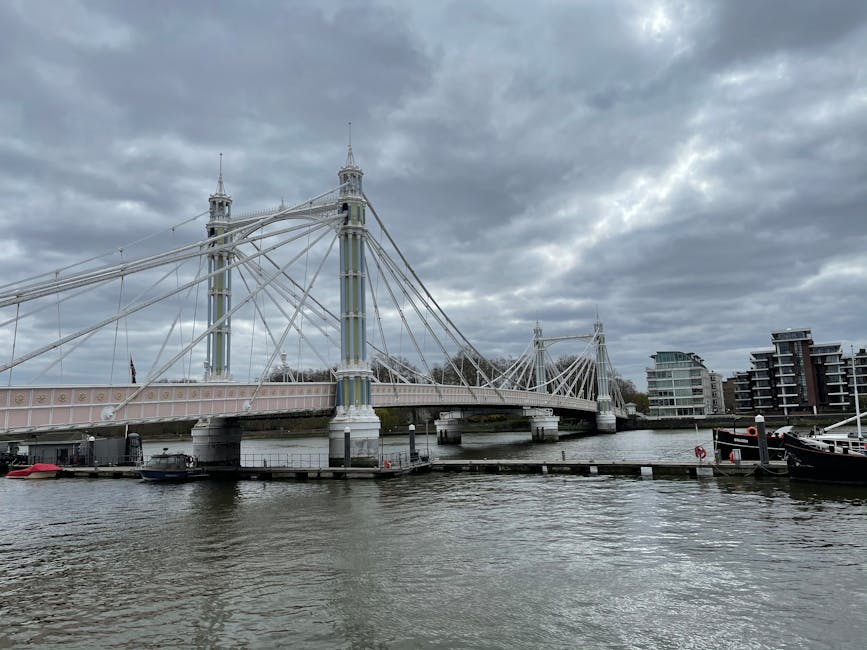
If you are planning a move near Hammersmith Bridge, the access situation can change a straightforward removal into a careful bit of logistics. Road closures, weight restrictions, bridge maintenance, local traffic, and narrow residential streets all affect how removal vans, house moves, and office relocations are planned. This guide on Hammersmith Bridge access issues for removals what to know explains the practical side: what usually causes delays, how removal teams work around them, what to check before moving day, and how to avoid last-minute stress. Truth be told, a little planning here saves a lot of heavy lifting later.
Why Hammersmith Bridge access issues for removals what to know Matters
Hammersmith Bridge is not just another crossing on a map. For removals, it can affect route planning, timing, vehicle choice, parking arrangements, and how many trips a team needs to make. If access is restricted, a van that would normally pass through might need to divert, and that can ripple through the whole day.
That matters for homes, flats, student moves, commercial relocations, and specialist jobs like piano removals or bulky furniture moves. A short move can become a long one if the crew has to re-route through busier roads or split the load between vehicles. And if you are on a tight completion deadline, even a modest delay can feel very expensive. Let's face it, nobody wants the sofa arriving after the kettle, the bed, and the patience.
There is also the stress factor. People often assume "it's just across the river" means quick and easy. In reality, bridge access issues can affect both sides of the move: loading from the departing property and unloading at the new address. That is why local knowledge is so valuable. A removals company with experience of the area can plan around restrictions instead of discovering them on the day.
If you are comparing services, it helps to look beyond the headline price and think about route planning, vehicle suitability, and support with packing or storage. Pages such as removal services, home moves, and office removals can be useful starting points when you are deciding what level of support you need.
How Hammersmith Bridge access issues for removals what to know Works
To understand the practical side, think about the bridge as a constraint in a wider moving plan. A removal company will normally assess:
- the origin and destination addresses
- whether bridge access is available for the size of vehicle being used
- likely traffic pinch points around the route
- loading bay or parking options close to each property
- the size and weight of items being moved
- whether a smaller van, shuttle run, or multi-trip plan is needed
In simple terms, if a large vehicle cannot use the most direct crossing, the move may need a different vehicle setup. A smaller vehicle such as a man with van or removal van can be easier to position in tighter streets, while larger jobs may still be best handled by a moving truck if access is workable by the chosen route.
Sometimes the solution is not about the bridge alone. It can be about timing. Early morning slots, off-peak travel, and flexible collection windows often reduce friction. On a grey weekday morning, with traffic already building and delivery drivers circling, even a small timing adjustment can make the whole move feel calmer. One customer once joked that the best moving tool was not the trolley but the breakfast. Fair point, honestly.
For some moves, bridge access limitations mean a hybrid approach: a larger vehicle to a nearby holding point, then a smaller vehicle or manual carry for the final stretch. This is where man and van style support can be handy, especially for apartments, student moves, and smaller household loads.
If items need to be stored temporarily because access delays the final delivery, storage may also form part of the plan. It is not glamorous, but it can rescue a move from turning messy.
Key Benefits and Practical Advantages
Handling bridge access properly is not just about avoiding problems. It can actually improve the move in several concrete ways.
- Fewer delays: A planned route reduces the risk of last-minute detours and traffic surprises.
- Lower handling risk: Better access planning reduces awkward carrying, which helps protect furniture and walls.
- More accurate scheduling: When the team knows the route, they can give more realistic timings.
- Less pressure on moving day: You are not trying to solve access issues while boxes are already at the door.
- Better vehicle matching: Choosing the right van or truck for the route avoids wasted capacity and awkward manoeuvres.
There is a quieter benefit too: it protects your energy. Moving day is noisy enough. Doors bang, tape rips, someone asks where the screws are, and the cat disappears under a bed. If access issues have already been thought through, you can focus on the actual move rather than firefighting the route.
For business moves, good access planning can be the difference between a smooth handover and a disrupted opening day. If you are relocating a practice, studio, or office, take a look at commercial moves and office relocation services for the kind of support that usually matters in tighter urban environments.
Who This Is For and When It Makes Sense
This topic is relevant to more people than you might expect. If your move begins or ends anywhere near Hammersmith Bridge, or if the bridge is simply part of the most sensible route, you should care about access.
It is especially useful for:
- Home movers relocating into or out of riverside flats, terraced homes, or maisonettes
- Flat movers dealing with limited parking or stairs on both sides of the journey
- Students moving in term-time when traffic and parking can be a bit of a nightmare
- Offices and small businesses needing predictable arrival times
- Households with bulky items such as wardrobes, wardrobes, pianos, or fragile furniture
- People arranging same-day or short-notice moves who need a practical route fast
It also makes sense if you are comparing removal support options. A move that would normally suit a simple van may need more planning because of access constraints. In that case, services like flat removals, student removals, or same-day removals can be more relevant than a broad, one-size-fits-all approach.
And if the move involves delicate or awkward items, think in layers. A move might need packing help, specialist lifting, or even temporary storage. That is where services such as packing and boxes, packing and unpacking services, and piano removals can slot into the plan naturally.
Step-by-Step Guidance
Here is a practical way to handle the issue without overcomplicating it.
- Confirm the full route. Do not assume the most direct route is the best one. Ask what crossing the team plans to use and whether vehicle size changes that answer.
- Check property access at both ends. Measure doorways, stair turns, lift size, and any shared hallway restrictions. Bridge access is only half the story.
- List your bulky or awkward items. Fridges, wardrobes, beds, mirrors, and pianos often drive the whole access plan.
- Ask about vehicle type. Some moves are better with a compact van; others need a larger vehicle or a two-stage approach.
- Think about parking and unloading. You may need someone to hold a space, arrange permits, or identify a sensible drop-off point.
- Build in buffer time. If a bridge route is likely to slow the move, add breathing room to collection and delivery windows.
- Decide whether storage is needed. If completion timing is uncertain, short-term storage can be the safest fallback.
A small example: if you are moving from a first-floor flat near the river into a townhouse on the other side, the access challenge may not be the stairs at all. It may be whether the removal van can reach the property without a long carry or awkward reroute. Once you know that, the rest of the plan gets much easier.
If you want broader support rather than a single-vehicle move, a page like removals can help you think about the whole service picture, including loading, transport, and unloading.
Expert Tips for Better Results
These are the little things that tend to make the biggest difference.
- Book earlier than you think. Bridge access issues reduce flexibility, and good slots go quickly.
- Be honest about access. If there is a tight turning circle, steep driveway, or awkward courtyard, say so early.
- Photograph problem points. Pictures of the stairs, parking area, and entrance can save a lot of explanation.
- Separate essential items. Keep documents, medication, chargers, and one kettle box easy to reach. You will thank yourself later.
- Use a clear inventory. It helps the crew judge the load and decide whether a van, truck, or split run is best.
- Ask about insurance and safety. Good removals planning should be backed by proper care and cover, not just guesswork.
It is also worth checking whether the company is open about how it manages risk. A clear insurance and safety page and a documented health and safety policy usually signal a more organised operation. Not glamorous, but useful.
One more thing: if your move involves disposal of furniture, ask how unwanted items are handled. A service that thinks about furniture removals, furniture pick-up, and recycling and sustainability can help reduce waste and make the move feel more orderly.
Common Mistakes to Avoid
Most access problems are preventable. The trouble is, people often only think about them after the lift is booked, the boxes are sealed, and the van is already on its way.
- Assuming every vehicle can use the same route. Size and weight matter, especially around restricted crossings.
- Not checking parking at the destination. If the van cannot stop nearby, the crew may face a long carry.
- Forgetting about loading time. A bridge issue can affect the whole timetable, not just the drive itself.
- Underestimating awkward furniture. A single sofa or piano can change the entire access plan.
- Leaving packing too late. Sloppy packing slows loading and makes every access issue feel worse.
- Choosing the cheapest quote without asking how access is handled. Cheap can be fine. Cheap and vague is where the trouble starts.
There is a simple rule here: if something feels uncertain, raise it early. A short phone call or message can stop a much bigger problem on moving day. And yes, it can feel slightly repetitive to keep mentioning the stairs, the van, the parking, the bridge. But that repetition is the point. Small details stack up fast.
Tools, Resources and Recommendations
You do not need a huge toolkit to plan a removal around bridge access, but a few practical items help enormously.
- Measuring tape: Useful for doorways, lifts, hallways, and furniture dimensions.
- Phone camera: Photos of access points are often more helpful than long descriptions.
- Inventory list: Keeps everyone aligned on what is moving and what is staying.
- Labels and marker pens: Make unloading faster, especially when the route has already eaten into time.
- Boxes and wrapping materials: Good packing reduces damage risk when loading conditions are tight.
For support with the packing side, you may find packing and boxes and packing and unpacking services useful. If the move is part of a wider property change, home moves and house removals can offer a more complete fit than a simple van hire arrangement.
For some people, especially those moving a few items or doing a partial move, the right choice may be a smaller vehicle. Man and van or man with a van can be a practical middle ground. For larger or more complicated loads, a dedicated removal services approach is often the safer bet.
Law, Compliance, Standards, or Best Practice
For bridge-access moves, the main compliance concerns are usually not highly technical, but they do matter. You should expect a professional removals company to work within UK road safety norms, manage loading responsibly, and handle goods with reasonable care. If there are parking restrictions, access limitations, or time windows, those should be checked rather than guessed.
Best practice in this context usually includes:
- planning the route before the day of the move
- matching vehicle size to access conditions
- lifting and carrying items safely, especially on stairs and narrow paths
- protecting walls, floors, and door frames during loading
- being transparent about limitations and extra time requirements
If you are hiring a removal team, it is sensible to review practical policy pages such as terms and conditions, payment and security, and privacy policy. They will not solve bridge access, of course, but they do show how the business handles the basics around service, payment, and data. Small signal, big reassurance.
For commercial clients, a documented process matters even more. Offices often have building management rules, delivery windows, and insurance expectations. If that sounds familiar, it is worth looking at office removals and office relocation services alongside your access plan.
Options, Methods, or Comparison Table
Different moves call for different approaches. Here is a simple comparison that can help you decide what fits best when Hammersmith Bridge access is part of the equation.
| Option | Best for | Strengths | Limitations |
|---|---|---|---|
| Small van or man and van | Smaller homes, student moves, light furniture | More flexible in tighter access areas, easier to park | Limited capacity, may need multiple trips |
| Removal van | Typical household moves with moderate volume | Good balance of size and manoeuvrability | May still be affected by route restrictions |
| Moving truck | Larger house moves or business relocations | Higher capacity, fewer loads overall | Needs more access space and route planning |
| Shuttle or split-load approach | Restricted bridge access or awkward loading points | Flexible around restrictions and parking problems | Can add handling time and organisation complexity |
| Storage-first approach | Uncertain completion times or staggered moves | Reduces pressure when access timing is unclear | Extra step, and not ideal for everyone |
For a lot of people, the decision comes down to one question: do you need the simplest possible transport, or do you need a plan that can absorb uncertainty? If access is limited, a more flexible method is usually worth it.
Case Study or Real-World Example
Here is a realistic example. A couple moving from a riverside flat near Hammersmith to a terraced house on the other side of the river wanted to use one large vehicle and finish before lunch. On paper, that sounded fine. In practice, the access at the new property was tight, roadside parking was limited, and the bridge route needed a vehicle that matched local restrictions more carefully than they had expected.
After a quick reassessment, the plan changed. The team used a smaller load-friendly vehicle, packed the fragile items separately, and arranged a slightly earlier collection. The move still took a full morning, but it stayed calm. No damaged radiator cover, no panic about parking, no awkward "where does the wardrobe go now?" moment in the hallway.
The lesson was simple: the bridge was not the problem by itself. The problem was treating access like an afterthought. Once route, vehicle, and loading plan were aligned, the rest of the move became manageable. A bit boring, perhaps. But boring is underrated on moving day.
Practical Checklist
Use this checklist before move day if Hammersmith Bridge access might affect your removal.
- Confirm the exact collection and delivery addresses
- Ask the removals team how they plan to route the vehicle
- Check whether the bridge affects vehicle size or weight choices
- Measure doors, stairwells, lifts, and tight corners
- Identify parking or waiting options at both ends
- Make a list of large, fragile, or awkward items
- Decide whether you need packing support
- Ask whether the move may need storage or a split delivery
- Label boxes clearly and keep essentials separate
- Review timing and build in a buffer for traffic or access delays
- Check the company's safety, insurance, and service terms
Expert summary: If access near Hammersmith Bridge is even slightly uncertain, plan as though it will be tighter than expected. The best moves are the ones that leave room for real-world friction, not the ones that pretend it will all be perfect.
Conclusion
Hammersmith Bridge access issues do not have to derail a move, but they do deserve proper attention. The main job is to match your route, vehicle, timing, and property access to the reality on the ground. Once that is done, everything else becomes easier: loading, transport, unloading, and even the post-move sigh of relief.
Whether you are planning a home move, a flat move, or a business relocation, the smartest approach is to treat access planning as part of the service, not an extra detail. That small shift saves time, protects belongings, and makes the whole day feel much less fraught.
Get a free quote today and see how much you can save.
And if you are still in the early stages, that is completely fine. Start with the route, ask the awkward questions, and let the move become a plan rather than a worry. That alone makes a big difference.
Frequently Asked Questions
Can a removal van cross Hammersmith Bridge?
It depends on the current access conditions, the vehicle type, and any restrictions in place at the time of the move. For that reason, you should never assume the same route works for every job. Always confirm route planning with the removals company before booking.
Why does Hammersmith Bridge access affect removals so much?
Because removals depend on vehicle size, parking, loading time, and how close the van can get to the property. If the bridge affects one of those pieces, the whole move can slow down. It is usually the knock-on effect that causes trouble, not just the crossing itself.
What is the best type of vehicle for a move near the bridge?
There is no universal answer. Smaller moves often work well with a man and van or removal van, while larger household or office relocations may need a moving truck or a split-load plan. The best choice depends on access, volume, and whether parking is straightforward.
Should I book storage if bridge access is uncertain?
Storage can be a sensible backup if completion dates, access windows, or delivery timing are uncertain. It is not needed for every move, but it can reduce pressure when a same-day handover looks risky. Think of it as a useful safety net, not a default extra.
How far in advance should I plan a move affected by bridge access?
As early as possible. Bridge-related access planning is better handled before the moving week, not during it. Earlier planning gives you more flexibility with vehicle choice, timing, and packing. A few extra days can make a surprising difference.
Do I need to mention the bridge when requesting a quote?
Yes, absolutely. If the route might involve access restrictions, tell the company up front. Good quotes depend on realistic information, and access problems can change the time required. It is one of those details that seems small until it suddenly isn't.
Is a man and van service enough for a move near Hammersmith Bridge?
It can be, especially for smaller flats, student moves, or a few bulky items. But if you have larger furniture, fragile items, or a more complex route, a fuller removal service may be better. The right answer is the one that matches your load and your access.
What should I check at my property before moving day?
Measure doors, stairs, lifts, hallways, and any turns that might affect larger furniture. Check parking too, because a perfect access route is not much help if the van has nowhere to stop. A quick photo walk-through is often enough to spot problems early.
Can office moves be affected by the same access issues?
Yes. Offices often have tighter time windows, building management rules, and more equipment to move in one go. That makes access planning even more important. If you are relocating a business, look carefully at how the removal team handles scheduling and route flexibility.
What happens if the moving vehicle cannot get close enough to the property?
The crew may need to do a longer carry, use a smaller vehicle, or split the load into more than one trip. None of those options is ideal if they were not planned for, which is why honest access details matter. The earlier the team knows, the smoother the workaround.
Are packing services worth it when access is difficult?
Often, yes. Good packing reduces breakage, speeds up loading, and makes it easier to manage awkward routes or extra carrying. If access is already tight, removing one more layer of stress can be worth it. Some days, fewer loose items is half the battle.
How do I choose between removal services and just hiring a van?
If the move is simple, light, and the access is easy, a basic van hire style arrangement may be enough. If the route is constrained, the furniture is bulky, or the timing is sensitive, a structured removal service usually gives better protection and fewer surprises. The more uncertain the access, the more sense a full service tends to make.